
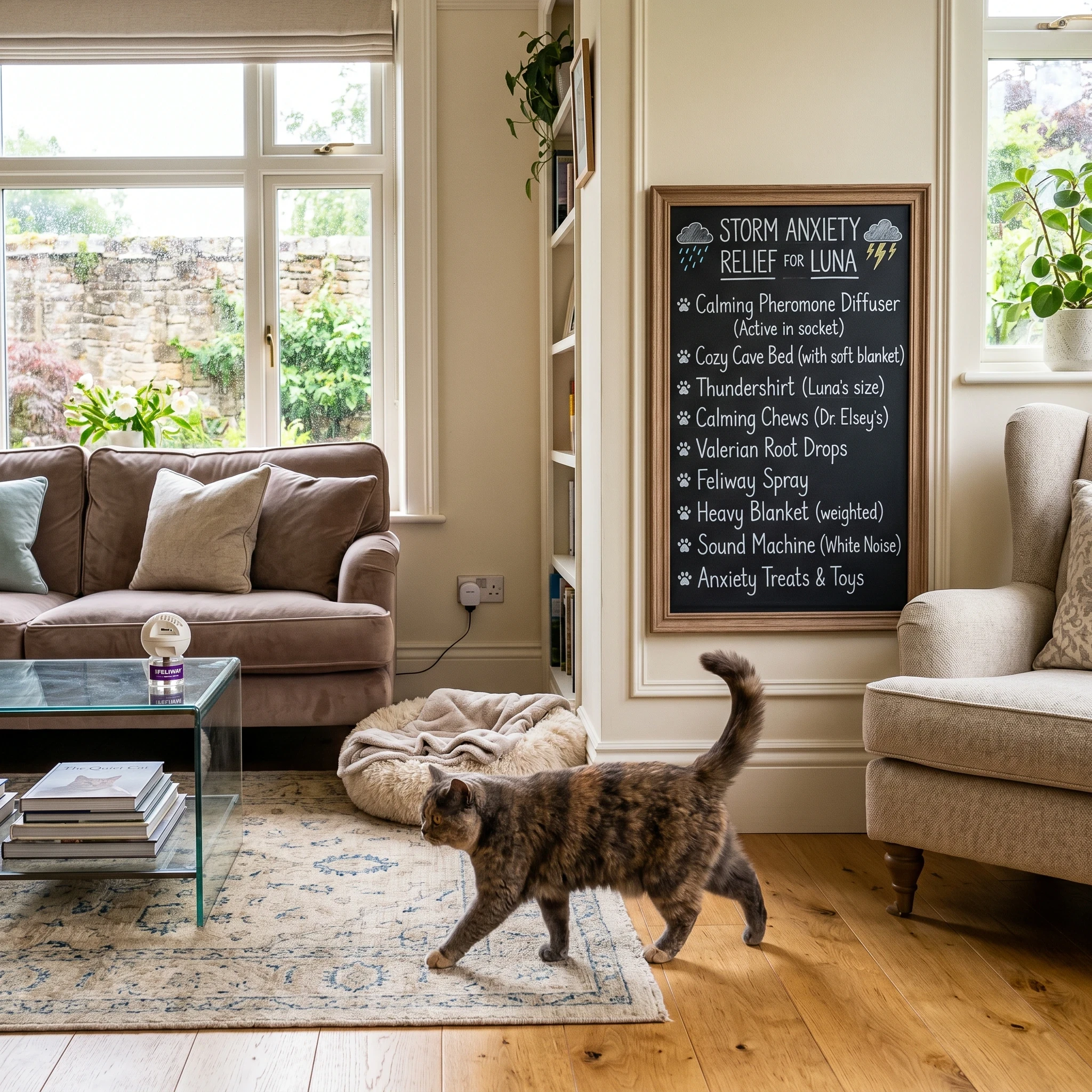
Recognising when a cat is anxious can sometimes feel a bit like trying to solve a mystery. Unlike dogs, who might be more obvious with their stress signals, cats are often subtle about their emotions. Some signs to watch for include excessive grooming, which could leave patches of baldness, or hiding away in places like under beds or inside closets. A change in appetite or litter box habits might also clue you in that something’s off.
Common triggers for cat anxiety range from loud noises like fireworks and thunderstorms to changes in their environment, such as moving houses or the arrival of new family members, be it pets or babies. Understanding what makes your cat tick, or in this case, what makes them nervous, is the first big step towards helping them.
Creating a calm and comforting environment can make a world of difference. Think of setting up a quiet retreat where your cat can feel safe. This could be a cosy bed tucked away in a peaceful corner, away from the hustle and bustle of daily life. Also, keeping a consistent routine can help. Cats love their schedules, and knowing when to expect dinner or playtime can ease their nerves.
Diet plays a surprising role in managing anxiety. A balanced diet with the right nutrients can impact a cat’s overall well-being. Some cats might benefit from special diets designed to promote relaxation, so it’s worth chatting with your vet about what might work best for your feline friend.
Behavioural training is another tool in the anxiety-busting kit. This could include gradually introducing your cat to anxiety-inducing situations in a controlled manner, allowing them to adapt slowly. Positive reinforcement during these times can build a sense of security and confidence.
Toys and interactive play can distract and engage your cat, reducing anxiety. Pheromone diffusers, mimicking the calming scent that cats release naturally, can also be effective. These tools help create a soothing environment that reassures your furry friend.
It’s essential to know when to seek professional help. If your cat’s anxiety seems severe or you’re feeling overwhelmed, a vet or a pet behaviourist can offer guidance and support. Sometimes medication may be necessary, and a professional can provide the best advice.
Hearing from other cat owners who’ve successfully managed anxiety in their pets can be inspiring. Real stories not only offer practical insights but also remind us that we’re not alone on this journey. Sharing experiences can bring fresh ideas and renewed hope in helping our anxious cats.
Our Website contains affiliate links. This means if you click and make a purchase, we may receive a small commission. “Don’t worry, there is no extra cost to you. It’s a simple way you can support our mission to bring you quality content.