Cats seem to spend most of their lives napping, and there’s good reason for it. Much of this sleep-heavy behaviour traces back to their origins as predators. In the wild, cats need to conserve energy to be ready for high-energy activities like hunting and escaping threats. Those hours of sleep actually play a critical role in survival, allowing them to store up energy for sudden bursts of activity.
Cats are naturally nocturnal, which means they’re more active at night. However, they’ve also got crepuscular tendencies, meaning they’re particularly lively during dawn and dusk. In a modern household, you might notice your cat snoozing away the sunny afternoons, waking up just as the sky starts to dim. This timing has everything to do with their instinctual behaviours.
The physiology of a cat’s sleep is quite fascinating. Like humans, they cycle through various sleep stages, including deep sleep and rapid eye movement (REM) sleep. While they need these stages for rest and recovery, it’s during REM sleep that they might be dreaming, and you’ll often see their paws twitch or their whiskers flutter.
Despite their reputation for laziness, cats are masters of energy conservation. Just as they store energy to hunt in the wild, today’s house cats still sleep to prepare for short, intense activities, like playing or pouncing on a toy.
Now, domestication has thrown a wrench in the natural schedule. Living with humans often means adapting to a more diurnal, or daytime, routine. Some cats adjust by sleeping more at night with their owners, while others stick to the rhythms that evolution programmed into them.
There’s no one-size-fits-all when it comes to how much any given cat needs to sleep. Kittens and older cats tend to sleep more than young adult cats, and health factors can play a role, too. If your feline friend seems to be in dreamland more than usual, it might just be a normal part of their life stage.
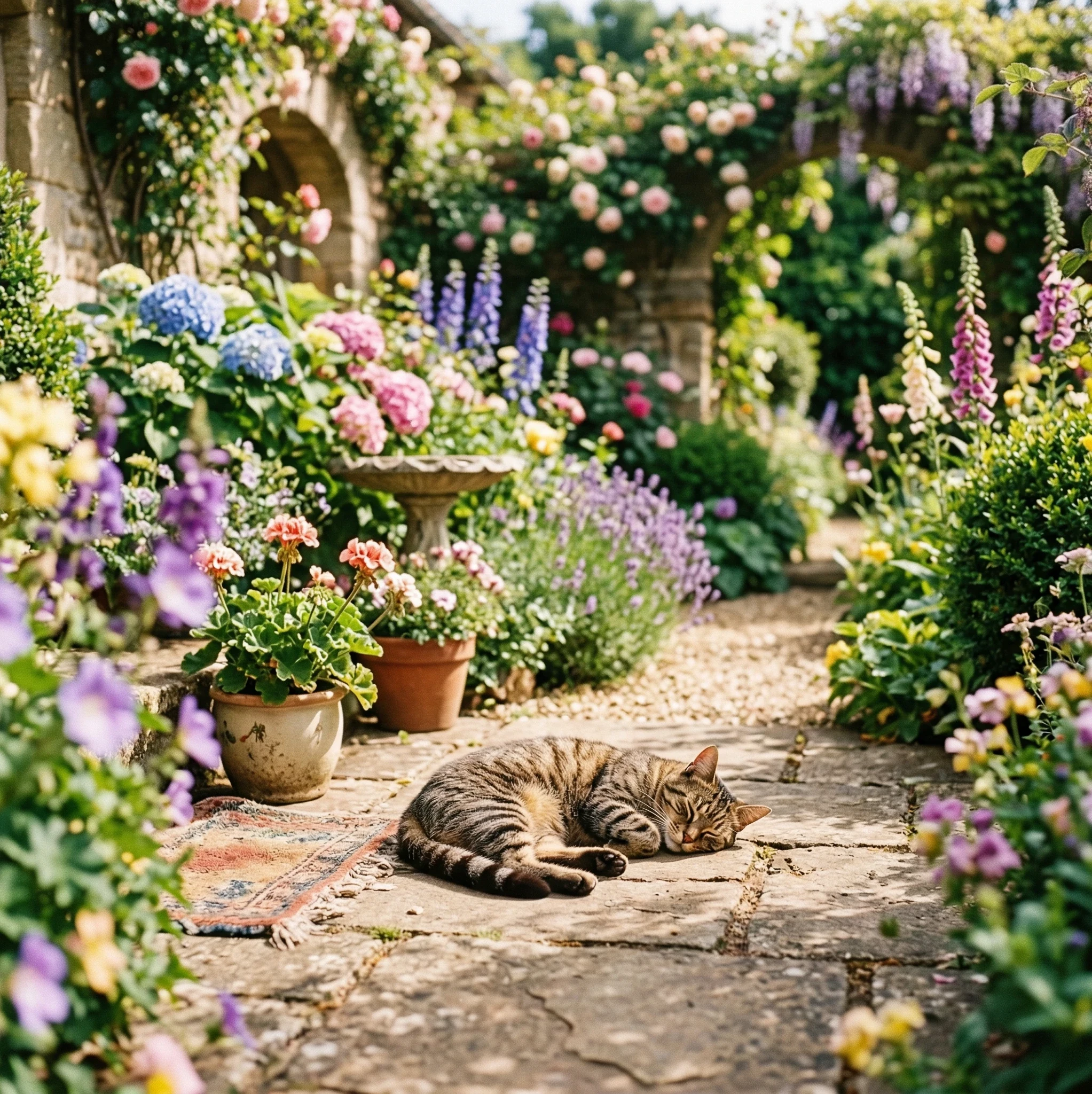
Keep an eye on their favourite sleep spots. Cats choose various positions for sleep that might indicate how secure and comfortable they feel. Curling into a ball could mean they’re conserving heat, while sprawling on their back with paws in the air often suggests they’re relaxed and feeling safe.
Our Website contains affiliate links. This means if you click and make a purchase, we may receive a small commission. “Don’t worry, there is no extra cost to you. It’s a simple way you can support our mission to bring you quality content.