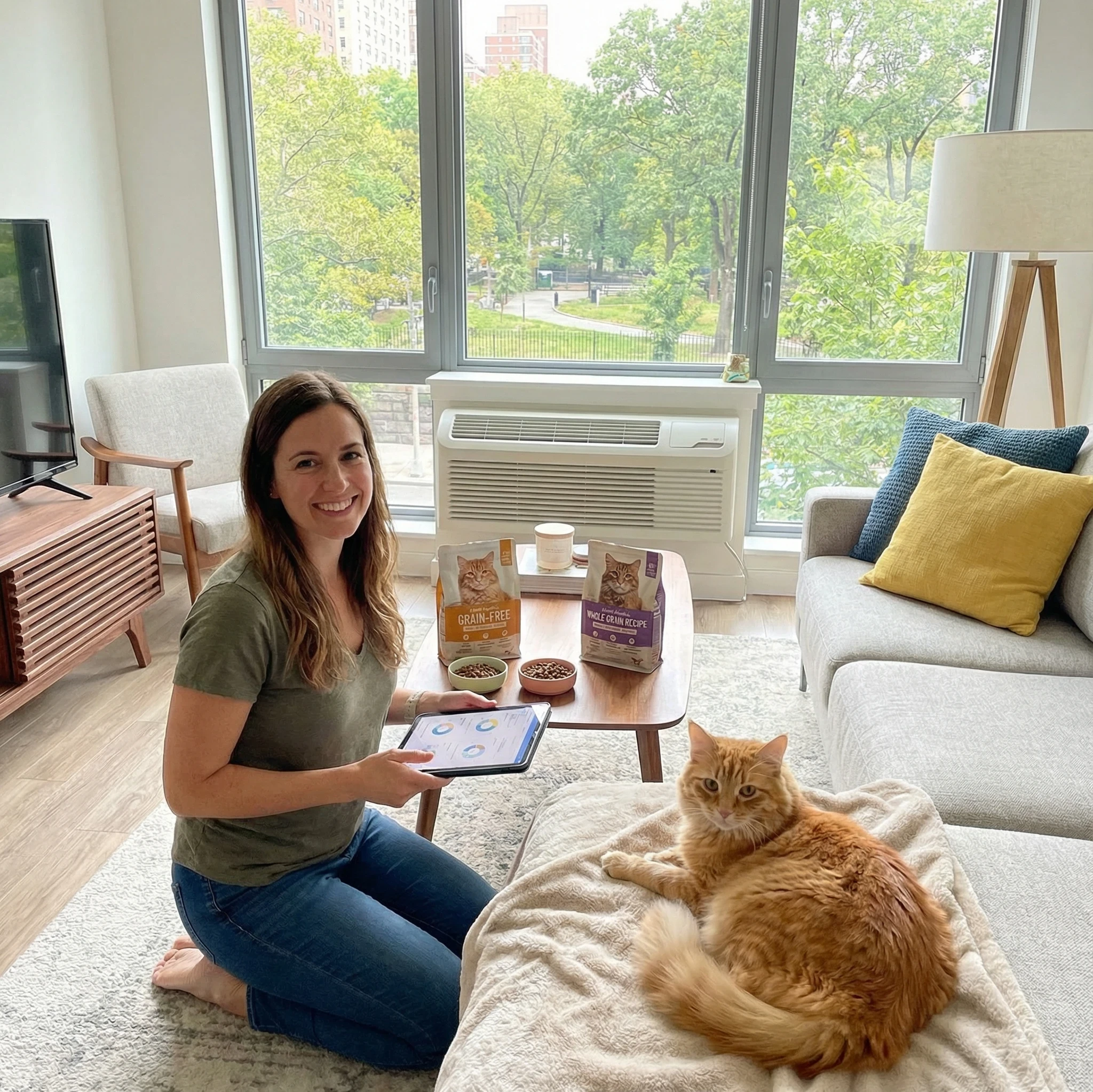
Grain-free cat foods have taken the pet world by storm, but what does it really mean for your fluffy buddy? In simple terms, these diets eliminate grains such as wheat, corn, and rice, and typically replace them with alternative carbohydrates or protein sources. While this sounds good, it’s important to get a clearer picture of what goes in your cat’s bowl.
One of the biggest draws to grain-free foods is the promise of fewer allergies. Some cat parents notice their pets itching less or experiencing fewer digestive issues. The idea is that cutting out grains might help with overall digestion and weight management. Think of it as going back to basics by sticking closer to what cats ate in the wild.
On the flipside, removing grains doesn’t automatically make for better nutrition. Grains can provide essential nutrients like fibre and carbohydrates. Without them, some grain-free products might fall short, relying too heavily on fillers or not providing enough balanced nutrition. Sometimes, these diets replace grains with other carbohydrates that might not be any healthier.
There’s also been buzz about potential health issues linked to grain-free diets. Some experts worry about a possible link between grain-free foods and a heart condition known as dilated cardiomyopathy (DCM), though more research is needed.
Veterinarians usually recommend grain-free diets in specific cases like known allergies or intolerances. It’s definitely a good idea to consult with a vet before making the switch. They’ll have the latest research and can guide you on whether it’s the right choice for your pet.
Curious about how these changes have panned out for other pet owners? Many have found success, reporting shinier coats or more energetic kitty playtimes after making the switch. But like anything, there’s a mixed bag of experiences.
Reading labels can be quite a challenge, but it’s super important if you’re considering going grain-free. Look for essential nutrients and avoid foods that seem packed with fillers.
If you’re not convinced grain-free is the right path, don’t worry. There are plenty of balanced diets that include grains while still providing all the nutrients your cat needs.
For those with picky eaters, transitioning to a new diet can be daunting. Start slow, mixing new and old food, and be patient as your furry pal adjusts.
Ultimately, every cat is unique, and there’s no one-size-fits-all answer. Thoroughly considering these factors will help you make the most informed choice for your cat’s health.