
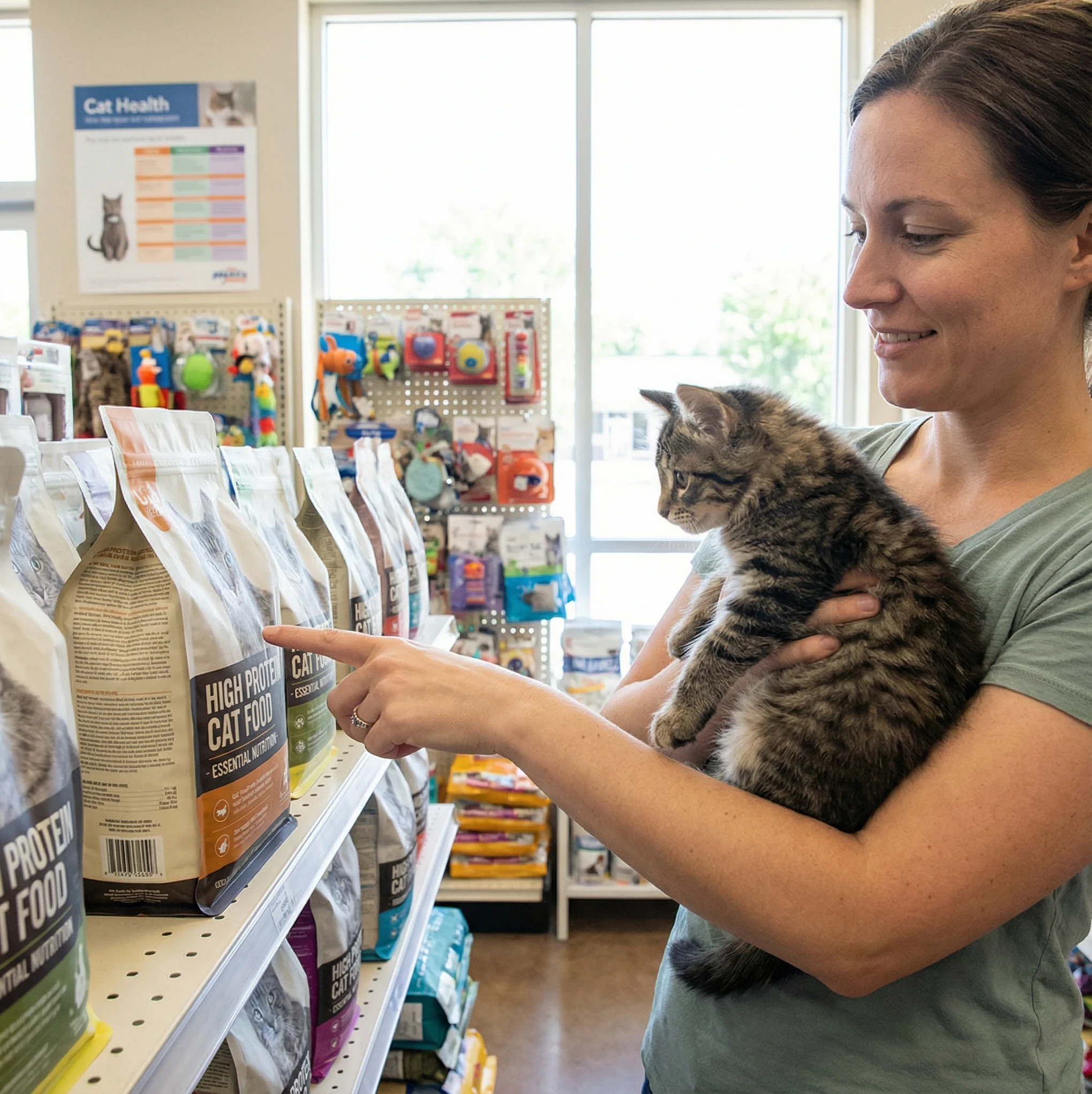
Protein isn’t just a part of your cat’s diet—it’s the star of the show. Cats are obligate carnivores, which means they rely heavily on protein to meet their nutritional needs. Proteins are made up of amino acids, which are essential for growth, reproduction, and general feline health. Without enough protein, your kitty could struggle with the repair and maintenance of tissues, leading to a host of health issues.
Your little furball’s ancestors thrived on a diet rich in protein, hunting and consuming prey that was mostly meat. This evolutionary history shapes their current dietary requirements. In the wild, cats don’t nibble on salads—they feast on meat. This natural inclination towards a high-protein diet ensures they get the necessary nutrients for energy and bodily functions.
Protein needs change as your cat grows. Kittens need a protein-packed diet for their rapid growth and energy, while adult cats require enough protein to maintain muscle mass and support active lifestyles. Senior cats benefit from a protein-rich diet to help maintain muscle tissue and keep them spry. Each life stage brings unique dietary needs that shouldn’t be overlooked.
Not all proteins are created equal. Animal-based proteins—like chicken, fish, and beef—are more in line with what cats would naturally consume, providing the full range of amino acids they need. Plant-based proteins can be a part of their diet, but shouldn’t be the main source. They aren’t able to match the nutritional punch of animal proteins due to differences in amino acid composition.
A protein-rich diet supports your cat’s muscle maintenance and energy levels, helps keep their weight in check, and even boosts the health of their coat. Sound like your cat? That’s protein doing its job. This nutrient is pivotal for the synthesis of enzymes, hormones, and other compounds required for proper bodily functions.
Lacking protein? It can lead to muscle loss, a dull coat, or even a drop in energy. If you notice these signs, it might be time to reassess your cat’s protein intake. Working with a vet to tweak their diet can revitalise your pet’s wellbeing.
Navigating pet food labels can be tricky, but it’s key to identifying quality proteins. Check for listed sources like chicken or fish. Aim for higher percentages of protein on those labels. After all, labels offer the clues to ensure your pet’s getting the best nutritional deal possible.
Veterinarians stress the importance of assessing individual protein needs. They can guide you on how much is just right, considering factors like weight, age, and health status. Customised advice from a vet can make all the difference in setting your pet up for a long, healthy life.
Protein allergies in cats are rare, but they do happen. If your cat shows signs of a poor reaction—like itchiness or digestive trouble—these could be clues. Monitoring their response to meals and consulting with a vet can help in identifying and addressing any allergic reactions.
And here comes the balancing act: portion control. Striking the right protein balance without overdoing it is key to avoiding obesity. Feeding the appropriate amount helps maintain a healthy weight, ensuring they stay active and happy.
Our Website contains affiliate links. This means if you click and make a purchase, we may receive a small commission. “Don’t worry, there is no extra cost to you. It’s a simple way you can support our mission to bring you quality content.