
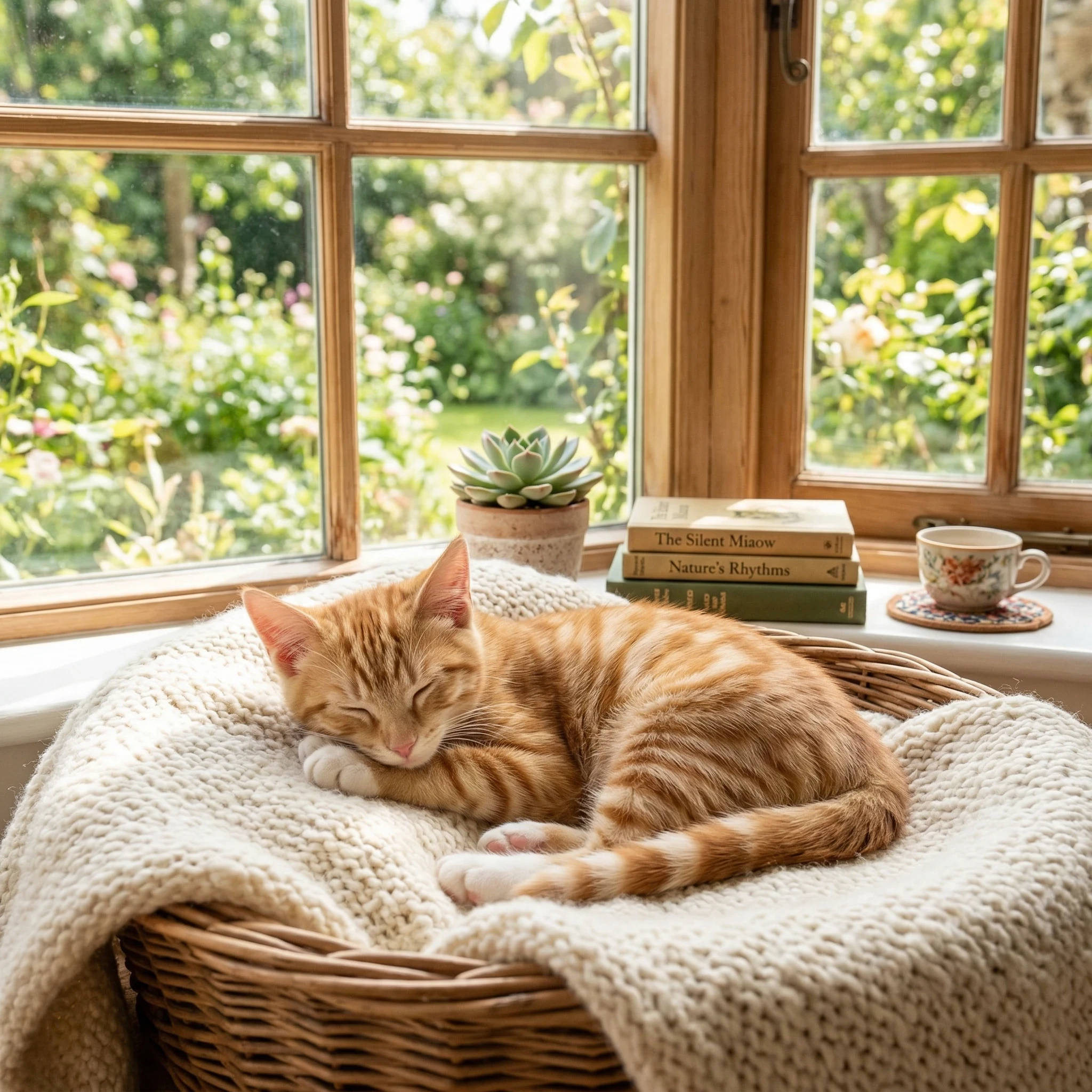
Cats’ sleep habits seem mysterious and sometimes random, but there’s actually a fascinating evolution in these patterns as they age. Understanding these changes can really help in ensuring our feline friends get the best care and environment for optimal rest.
Kittens sleep a lot. We’re talking up to 20 hours a day. Their sleep is crucial for growth and development, as most of it is in that deep, restorative REM cycle. This is when their systems are busy building muscles and developing their brains. You might notice quick, jerky movements during sleep, which is perfectly normal and indicates that they’re dreaming.
As cats move into adolescence, around 6 to 12 months, their sleeping patterns start to shift. Sleep may become more regular and slightly less than in kittenhood, but playtime and feeding can greatly influence rest periods. Cats at this stage begin syncing their activity to their surroundings a bit more, perhaps adjusting to your schedule.
In their prime adult years, say between 2 and 10 years, cats have more structured sleep cycles. Typically, around 15 hours are spread throughout the day. Nevertheless, they’re creatures of habit and love routine, so setting a regular feeding and play schedule helps keep their sleep on track. At this stage, they’re generally pretty good at modulating their sleep to suit their lifestyle needs.
For senior cats, usually over the age of 10, sleep can start to increase again, mirroring some aspects of their kitten days, albeit for different reasons. Health conditions such as arthritis or hyperthyroidism can influence sleep habits, causing more waking or needing more rest to recover from physical exertion. Monitoring changes in sleep can provide early clues to health issues.
It’s important to view changes in sleep patterns as part of a cat’s overall health picture. Any drastic changes should be noted and discussed with a vet, as they might signal underlying issues. Sleep reflects a cat’s well-being, so keeping track of shifts can be beneficial for assessing their health.
Supporting a cat’s sleep needs through their different life stages involves providing a safe, comfortable environment. Making sure they have a quiet space, appropriate bedding, and minimising disturbances can promote quality rest. Plus, allocating time for interaction and play helps regulate their activity and tire them out for more restful sleep.
Our Website contains affiliate links. This means if you click and make a purchase, we may receive a small commission. “Don’t worry, there is no extra cost to you. It’s a simple way you can support our mission to bring you quality content.