
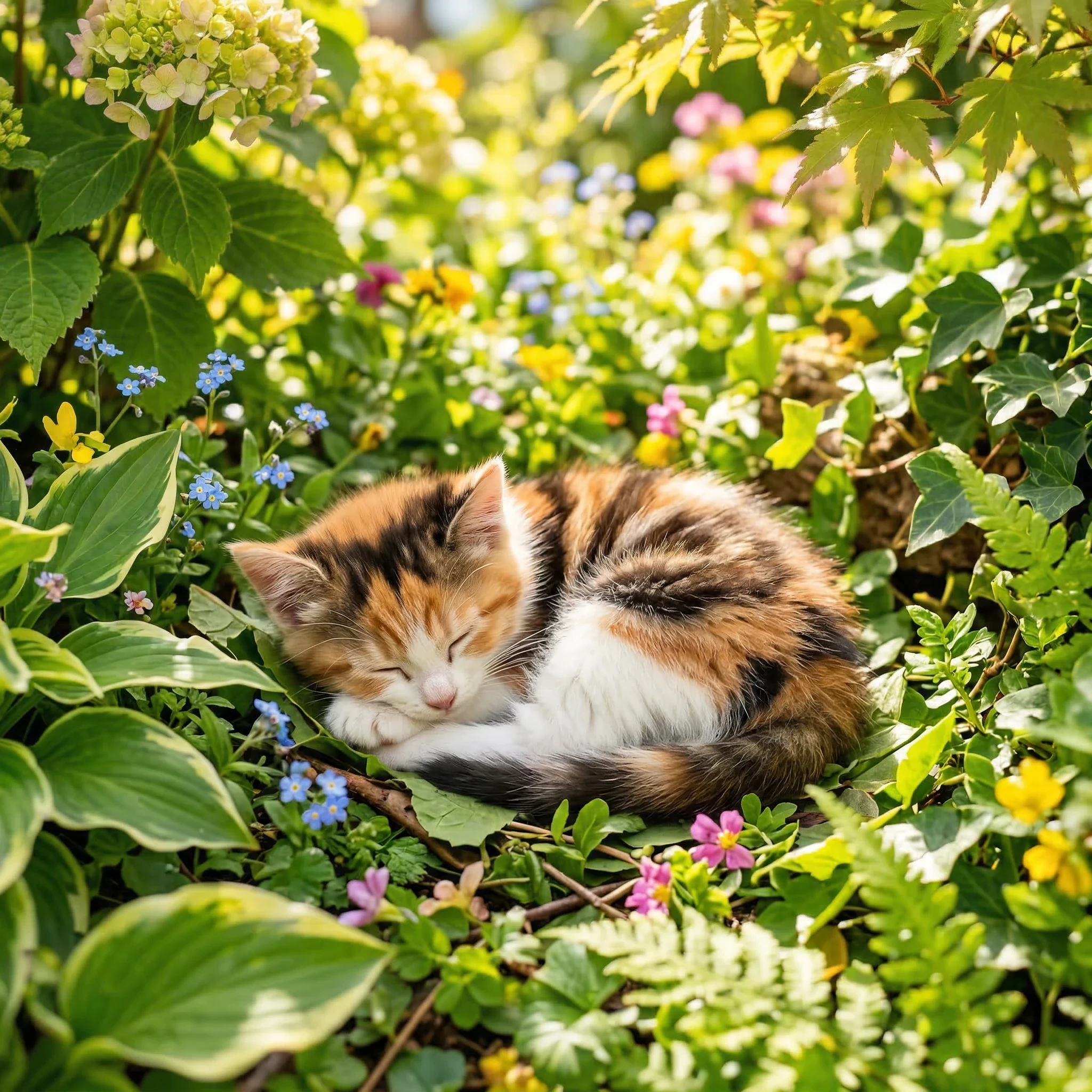
Cats, mysterious as they often are, spend a significant portion of their lives curled up asleep. A healthy adult cat can snooze away for around 13 to 16 hours a day. That’s not just laziness; it’s a crucial part of their wellbeing. But when sleep patterns start behaving unpredictably, it might be pointing to a broader issue.
Pay attention to changes like suddenly erratic sleep cycles or lengthy daytime naps that seem unusual. Maybe Fluffy is up all night when she should be dreaming about chasing mice. Recognising these signs early on can be your best bet in catching a sleep disorder before it snowballs into something worse.
So what should you look out for? Insomnia isn’t just a human problem—it can grip cats too. While it might sound like a nightmare, seeing your little one pacing across the room at odd hours is a key symptom. On the flip side, hypersomnia—think excessive sleep—is another telltale sign to watch. If your typically active pet has turned into a feline nap champion, there might be something amiss.
Then there’s sleep apnea, a disorder that’s become infamous among humans and is also lurking in the feline world. It’s marked by interruptions in breathing during sleep, often accompanied by loud snoring or wheezing. And yes, cats can suffer from REM sleep disorders, too. That might involve acting out dreams with jerky movements or vocalising at night.
Behavioural changes usually accompany these sleep issues. You’re likely to notice irritability, a dip in energy levels, or even aggression. It’s not just poor sleep—often, it’s a reflection of underlying stress, diet changes, or serious medical conditions. Other common causes might be new pets, moves, or changes at home.
Sleep troubles don’t present the same across species. Cats won’t just tell you they’re having issues. You’ve got to be attentive and patient. If you’re scratching your head, wondering if these are merely little quirks or signs of something bigger, seeking veterinary guidance is often a wise move. They can help diagnose and offer solutions before it’s too late.
Healthy sleep promotion isn’t rocket science, but more about common sense and care. A stable, comfortable environment goes a long way. Consistency in feeding times and setting up a quiet sleeping area free from disturbance works wonders. Keep stress triggers at bay and watch over their diet.
A timely spot and tweaking their environment might be all you need to turn their sleep woes around. A well-rested cat isn’t just a happy fluff ball; it’s a critical companion thriving alongside you.
Our Website contains affiliate links. This means if you click and make a purchase, we may receive a small commission. “Don’t worry, there is no extra cost to you. It’s a simple way you can support our mission to bring you quality content.